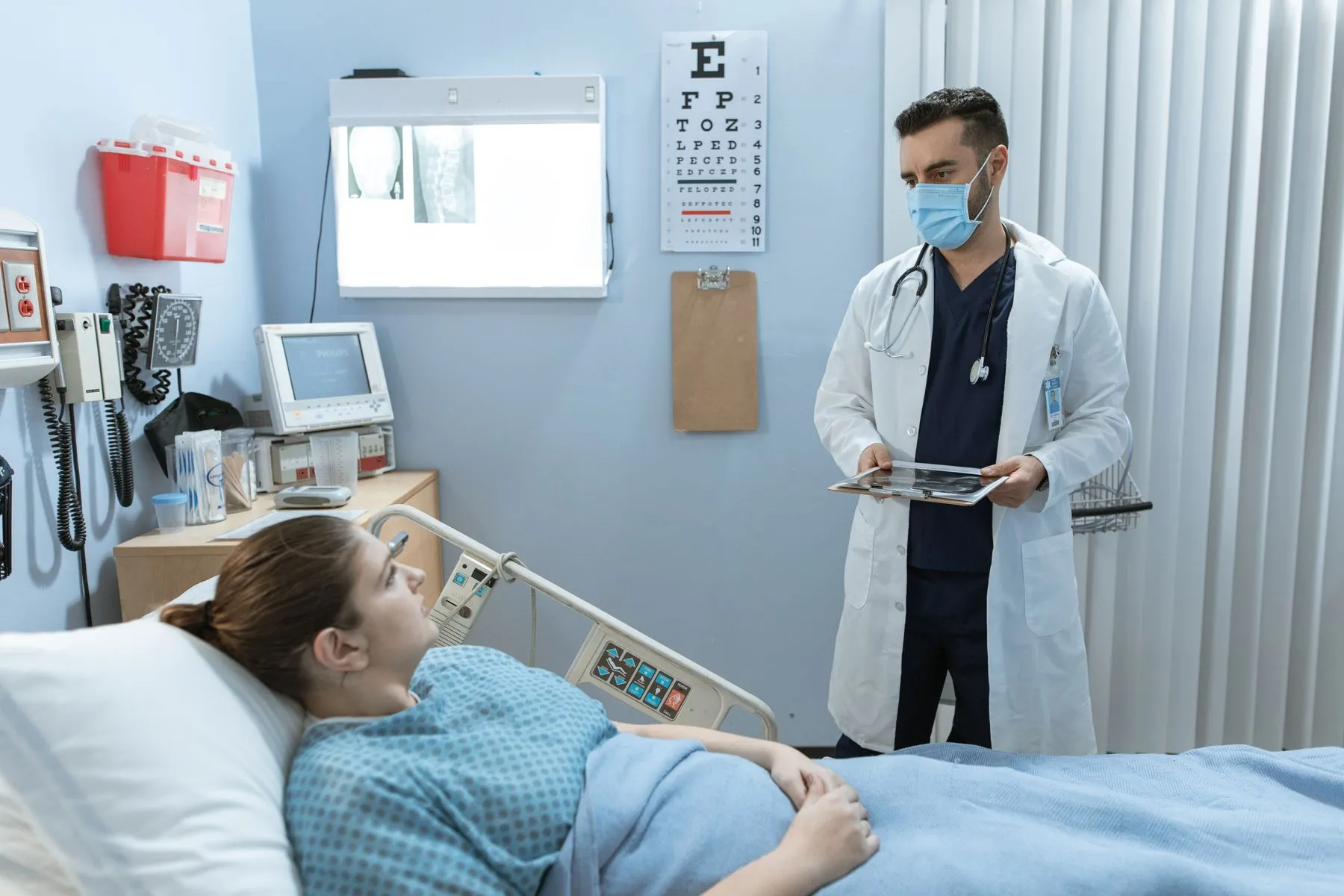
Why medical cover deserves careful planning
Malaysia’s public hospitals provide heavily subsidised care, and many families rely on them. Private hospitals offer shorter waits and more choice over doctors and timing, but the bills are paid in full by the patient unless insurance steps in. A medical card is what makes private treatment a realistic option when something serious happens, such as surgery, cancer treatment or an extended stay.
The challenge is that two plans that look similar on a brochure can behave very differently on the day you are admitted. Limits, room-and-board levels, co-payment, waiting periods and exclusions all decide how much of the bill the insurer pays. Those details are easy to skim when you sign up and hard to change once you are unwell.
What happens when you are admitted
At a panel hospital, the hospital usually asks the insurer for a guarantee letter (GL) before or during admission. If the GL is approved, the insurer settles eligible charges directly with the hospital. You may still be asked for a deposit, depending on the hospital’s own policy, and you pay for anything the plan does not cover, such as registration fees, certain consumables, or your share under a co-payment.
If the GL is not issued, for example while a claim is checked for a possible pre-existing condition, you may need to pay the hospital first and submit a reimbursement claim afterwards. We cover this step by step in our guide to medical card claims, waiting periods and guarantee letters.
Medical cover works best alongside other protection
A medical card pays hospital bills. It does not replace your income while you recover, and it does not pay a lump sum on diagnosis. That is the role of critical illness protection and income protection. If you are unsure how the two fit together, our explainer on critical illness insurance versus a medical card sets out the differences.