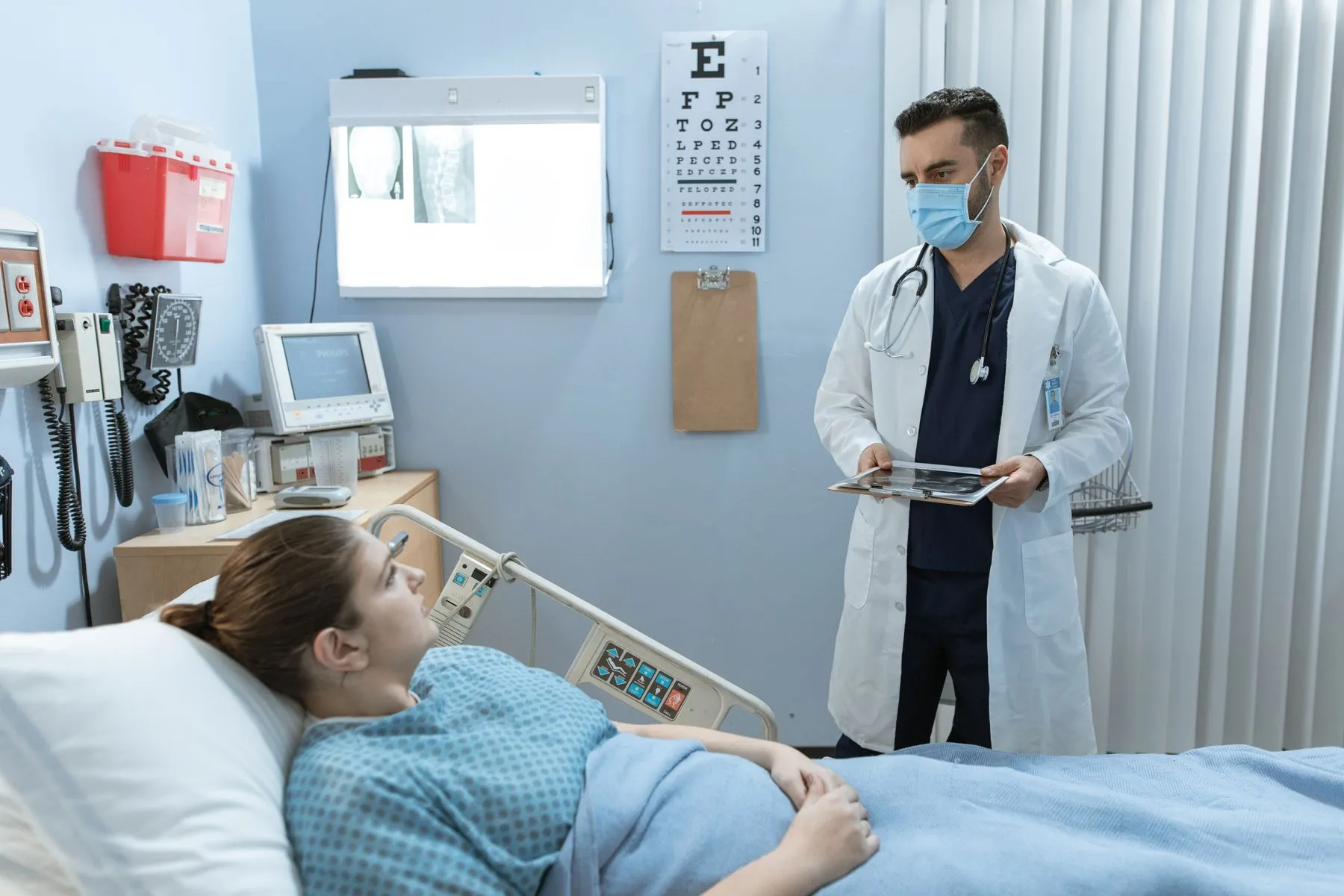
Why a lump sum matters
When a serious illness is diagnosed, the hospital bill is only one part of the cost. There may be months away from work, travel to treatment, home adjustments, caregivers, special diets, or treatment options you would rather not have to weigh against your savings. A medical card helps with eligible hospital bills. Critical illness cover helps with everything around them.
Because the payout is a lump sum, it gives you room to decide: take extended leave, cover a partner’s time off to care for you, keep paying the home loan, or seek a second opinion. That flexibility is the main reason we look at critical illness cover alongside a medical card rather than as an alternative to it.
Reading a critical illness policy
The headline number of illnesses covered is easy to compare and easy to over-rely on. The details that make the real difference are the definition of each condition, whether the plan pays at an early stage, and whether a payout reduces your other cover. We explain these in plain terms, and our article on critical illness insurance versus a medical card covers how the two fit together.
Protecting your income too
Critical illness cover pays once on diagnosis. If your concern is a longer-term loss of income from illness or injury that does not meet a critical illness definition, income protection addresses that gap.